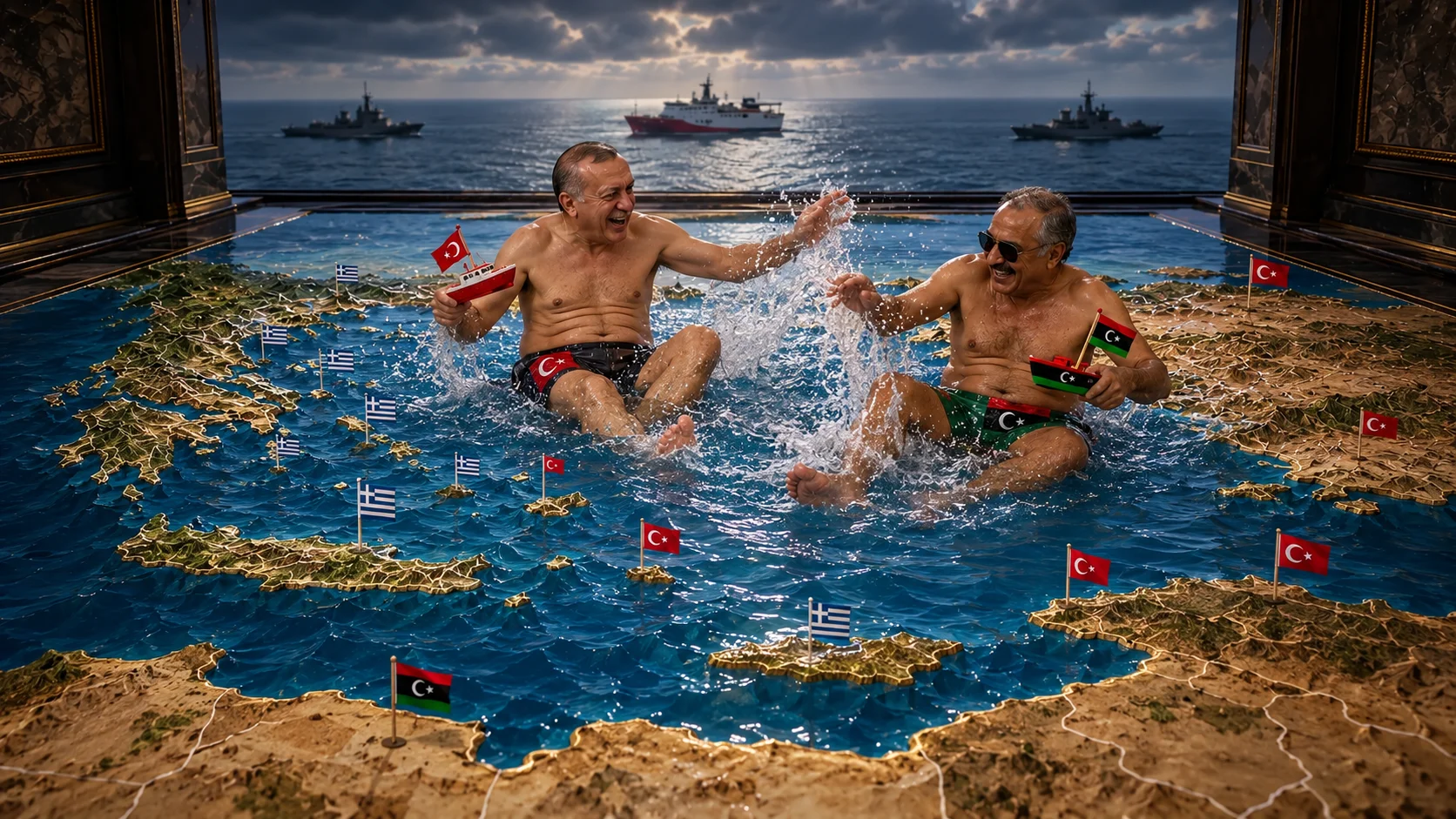
BRITAIN | Royal Navy Silences Critics By Successfully Moving A Ship
General Sir Gwyn Jenkins KCB OBE ADC RM, First Sea Lord and Chief of Naval Staff, has finally finished saying his own job title and therefore had time to oversee the movement out of Portsmouth Dock of the Type 45 destroyer HMS Dragon.
Congratulations and participation medals were issued all round on the momentous occasion, which marks the first time a Royal Navy ship has moved under its own power since HMS Dauntless mysteriously shifted half an inch in dry dock in 1995.
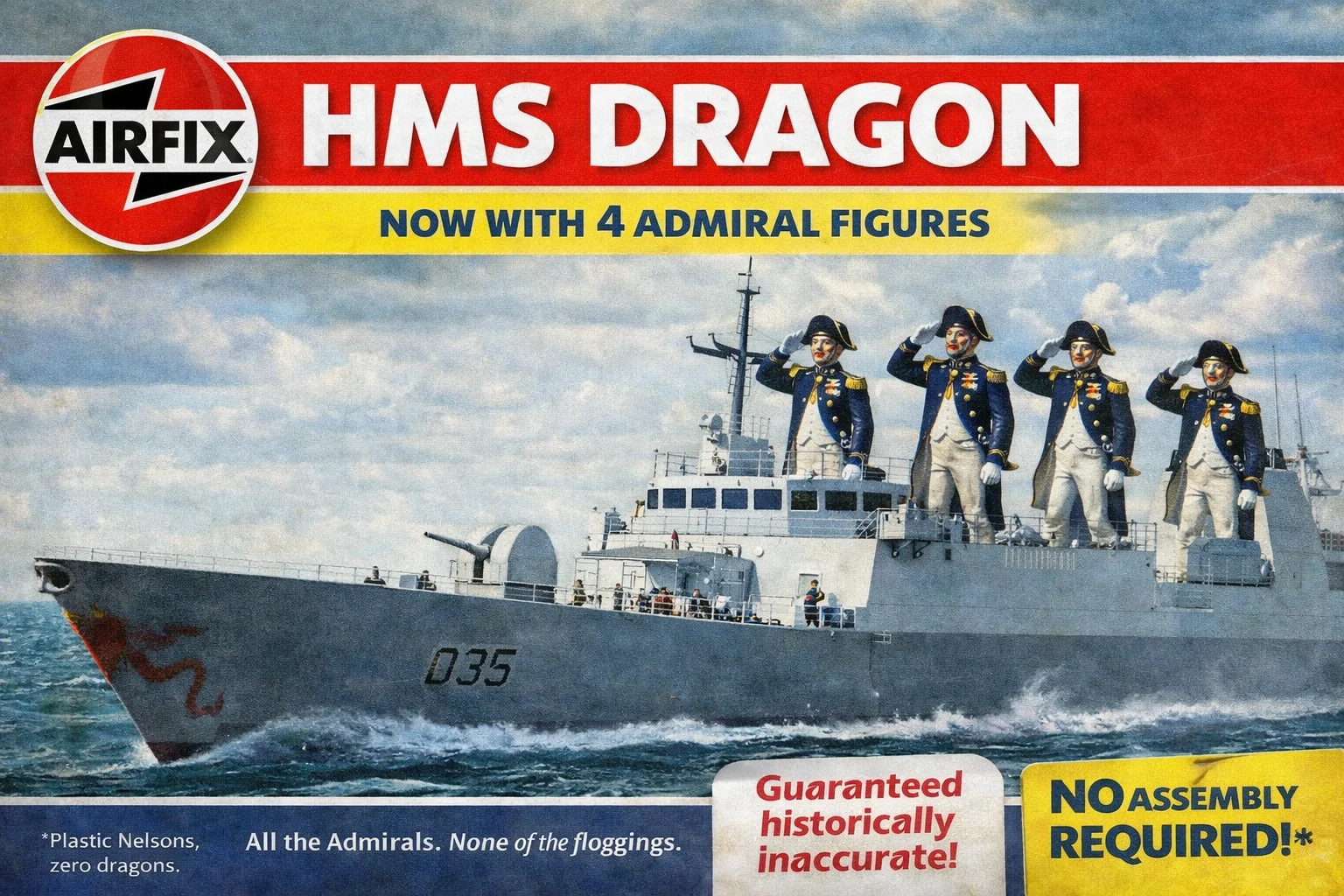
HMS Dragon sprinted out of the dock resplendent in its Welsh Dragon livery, with the full support of every Welsh man and woman.
Special appreciation was given to the Black and Muslim members of her crew. Welsh crewman Midshipman Abdul Jihad ‘Taff’ Khan from Cardiff told us:
“I’m so proud of our achievement. After we were told we were being deployed to Cyprus and might become involved in the conflict against Iran, the engine room was affected by a number of unexplained explosions and electrical failures. We quickly found out that the saboteur was a ship’s rat, who had nibbled through electrical wiring and even infiltrated a munitions cabinet and set off the explosives. We quickly repaired the damage, and myself and my colleague Midshipman Mohammed Hussain-Jones guarantee this definitely won’t reoccur on the voyage to Cyprus.”
Meanwhile Sub-Lieutenant Jahmar Marley-Evans told reporters, “I be so happy ’bout dis. I been singin’ and dancin’ to the sweet sweet Welsh fiddle tunes from ma youth.”
Naval analysts say the successful movement of HMS Dragon represents a devastating rebuttal to recent criticism claiming the Royal Navy can no longer effectively project naval power overseas.
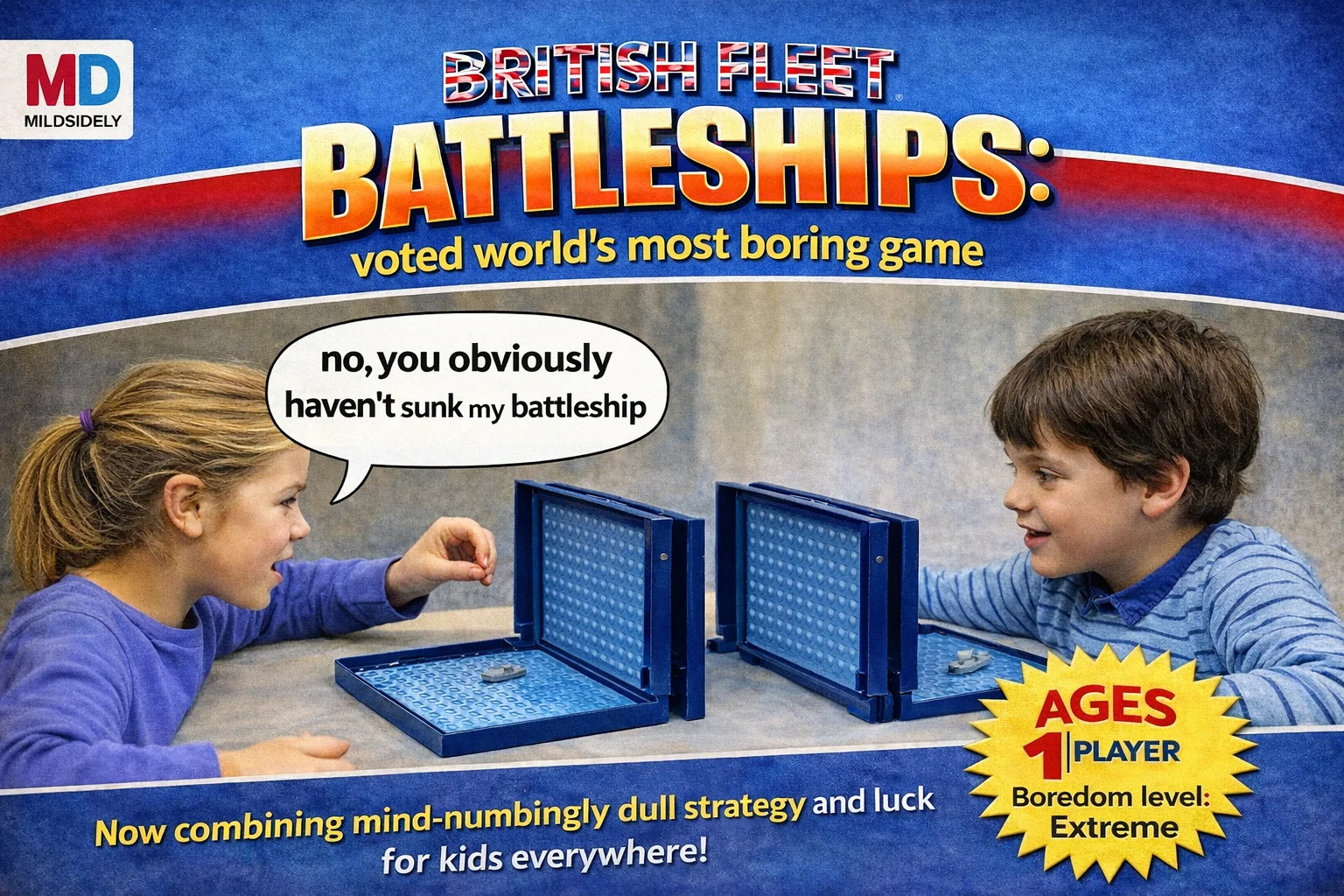
We asked a spokesman about claims that the Royal Navy would only be able to field a fleet of between six and ten warships in a genuine crisis, meaning there are currently roughly four admirals available to command each remaining vessel.
“That’s actually a good thing,” the spokesman explained. “It’s not the number of ships that matters — it’s the number of leaders. In fact, we still feel we have a shortage of senior officers and are looking into doing a recruitment drive.”
VLGR.NET then asked whether the Royal Navy planned to follow the example of the Royal Australian Navy, which once made actor Russell Crowe an honorary naval officer.
“Yes, that is something we are actively exploring,” the spokesman confirmed. “Celebrities, having as they do absolutely no experience of naval tactics or combat, could provide a unique and fresh perspective on the modern battlefront. Sir Gwyn Jenkins has already reached out to Russell and invited him to Britannia Royal Naval College, Dartmouth.”
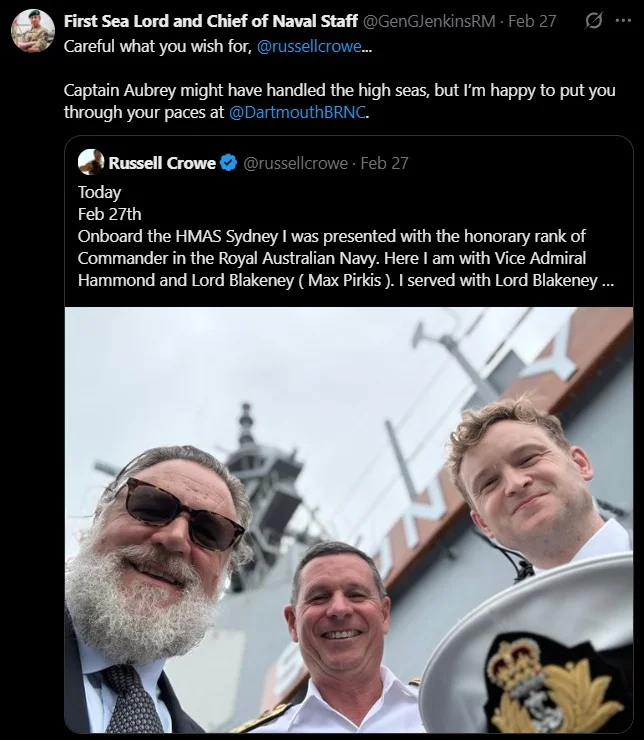
Royal Navy sources later confirmed that if the initiative proves successful, further celebrity appointments may follow, with several admirals reportedly eager to welcome a fleet of actors capable of “projecting naval power overseas slightly more convincingly than the ships.”