EU Unveils Differentiated Democracy™ to Overcome the Paralysis of Having a Say
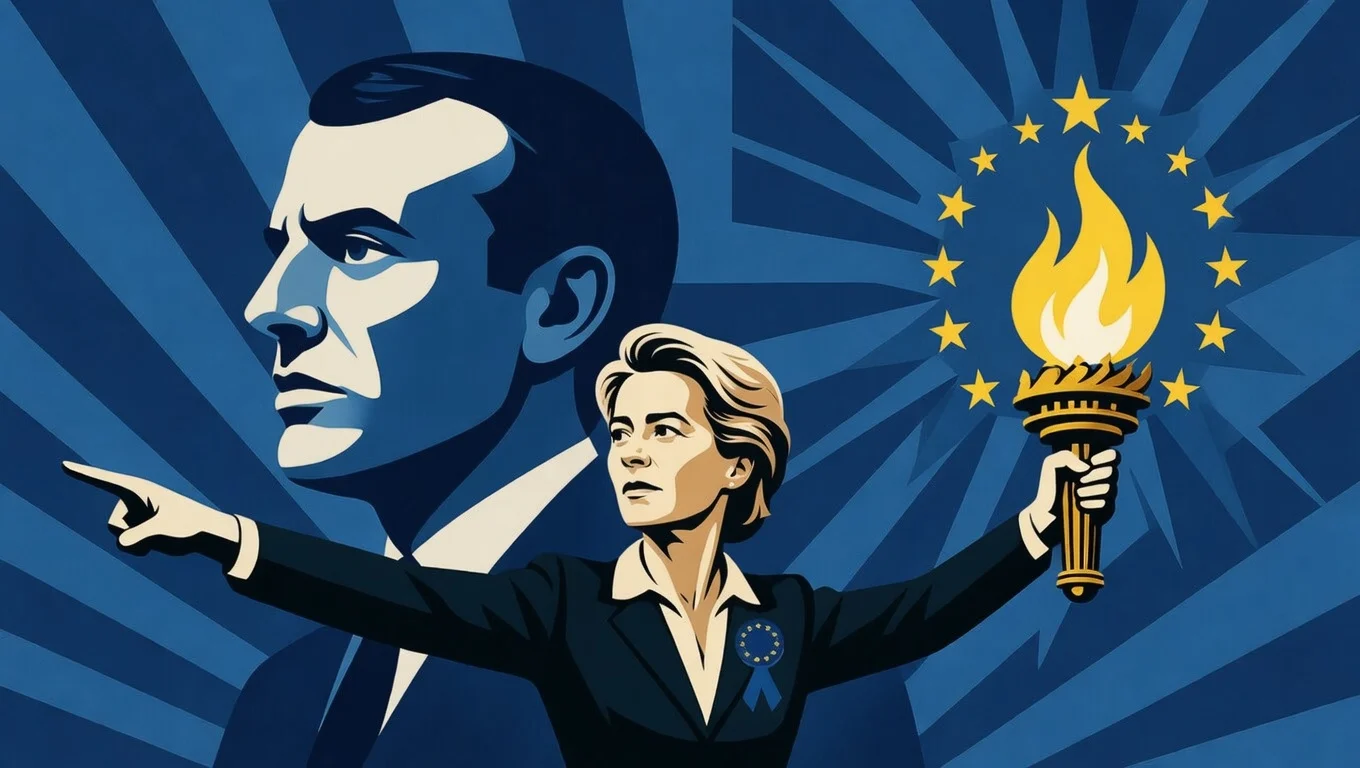
Brussels, April 2026 – In a bold leap forward for European unity, the European Commission today hailed a groundbreaking Euroscope poll showing that 71% of Europeans are absolutely fed up with the exhausting burden of national vetoes. The solution? Differentiated Democracy™ – a sleek new upgrade that replaces messy unanimity with flexible “coalitions of the willing".
The dark days when one stubborn member state could grind the entire machine to a halt, are soon gone.
A senior EU official explained: “The willing will now move at the speed they deserve".
Just yesterday, the European Parliament tweeted an adorably innocent infographic: the Commission proposes a law, the 720 directly elected MEPs and national ministers "negotiate" and a big green checkmark seals the deal. That was the old one-speed Europe.
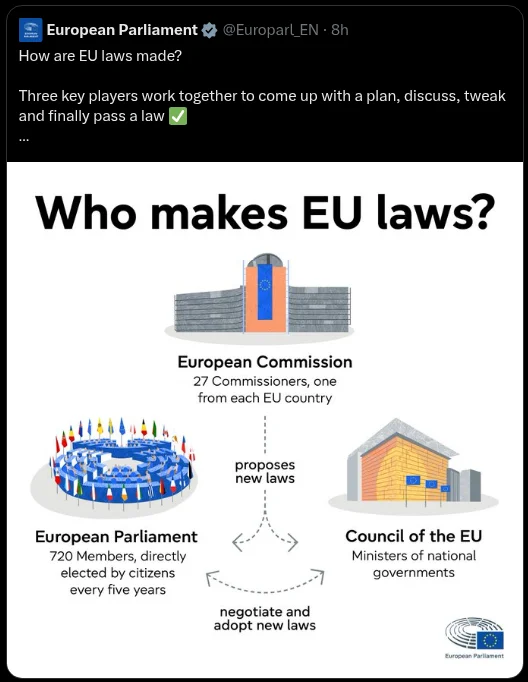
In the new differentiated model, that diagram gets a remix.
The “negotiate and adopt” arrows now feature a high-speed VIP fast lane reserved for the willing core – the big population-heavy players who are always ready to integrate faster.
Reluctant or veto-prone states?
They’ll be bound by the decisions of the willing coalition.
No escape hatch.
Historians were quick to notice the familiar pattern.
This is essentially democratic centralism with better branding and superior graphic design.
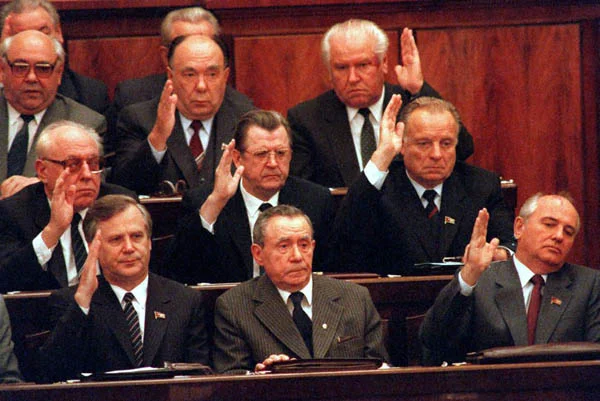
In the Soviet Union, they also had formal soviets, elected representatives from every republic, and plenty of theoretical debate. But real power sat with a tiny Politburo vanguard in Moscow.
Once the core decided, the rest showed unanimous solidarity.
Peripheral republics had symbolic seats but were obligated to implement the center’s decisions.
Now contrast that with the chaotic Americans across the Atlantic.
In the US, they still stubbornly cling to their old-fashioned federalism.
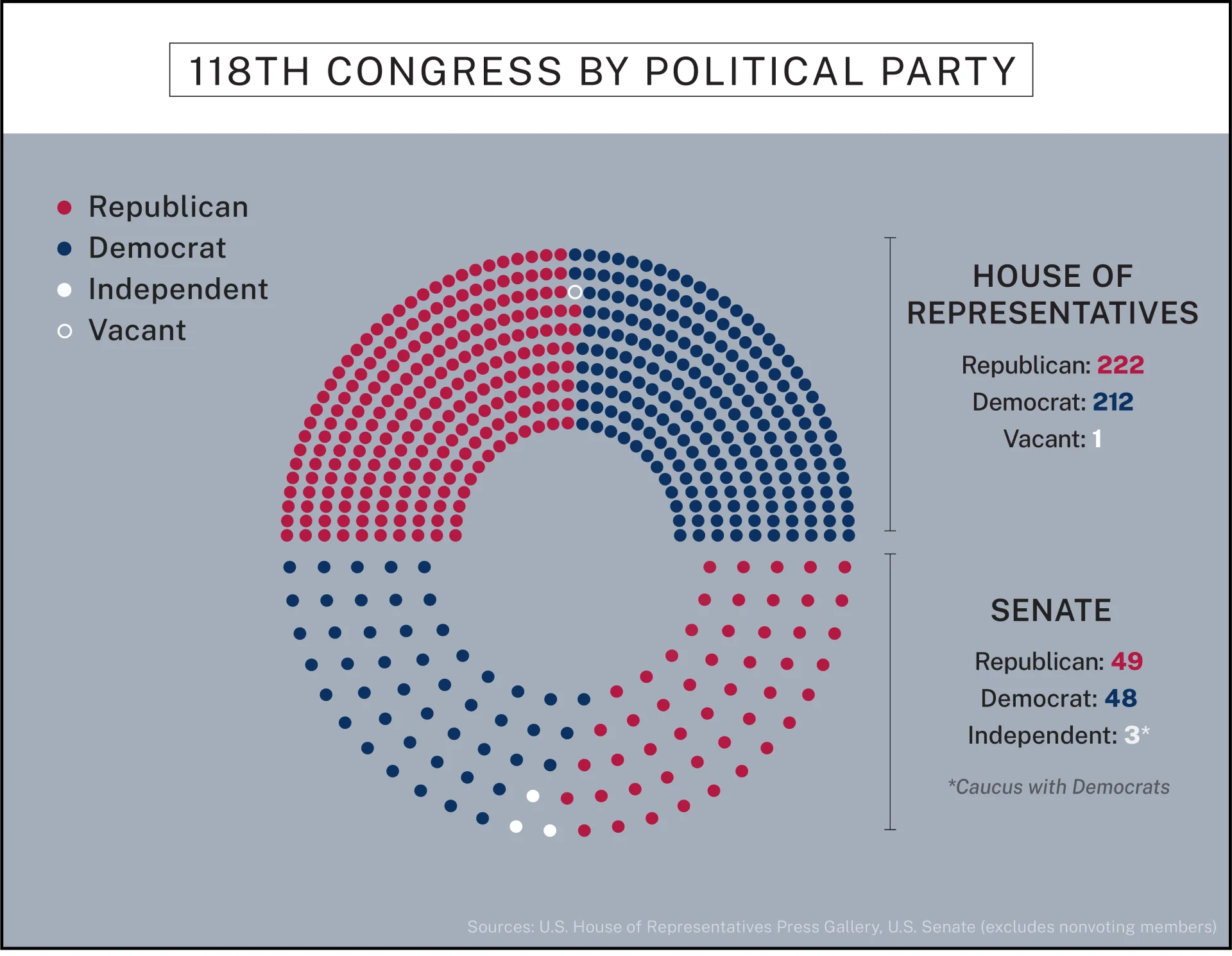
Every state – no matter how small – gets two equal senators.
A handful of low-population states can block major legislation through the filibuster or simple refusal.
Laws require messy approval in both the population-weighted House and the equal-representation Senate.
It’s slow, inefficient, and deliberately protects minority voices.
Gridlock is seen as a feature, not a bug.
The EU’s proposed model is far more sophisticated and efficient.
With expanded qualified majority voting, the big players plus the Commission can drive forward on sanctions, foreign policy, or deeper integration.
Small states lose their traditional veto power and become obligated to follow.
The remaining 29% who didn’t feel the poll’s enthusiasm are already being gently sidelined as victims of outdated thinking.
Some have even whispered about actual referendums.
As one senior EU official put it with a confident smile: “The Soviet system had a few long-term implementation challenges. But this time, with superior branding and flexible coalitions, we’re different.”
The fast lane is soon to be opened. Everyone else is politely obligated to keep up.
___
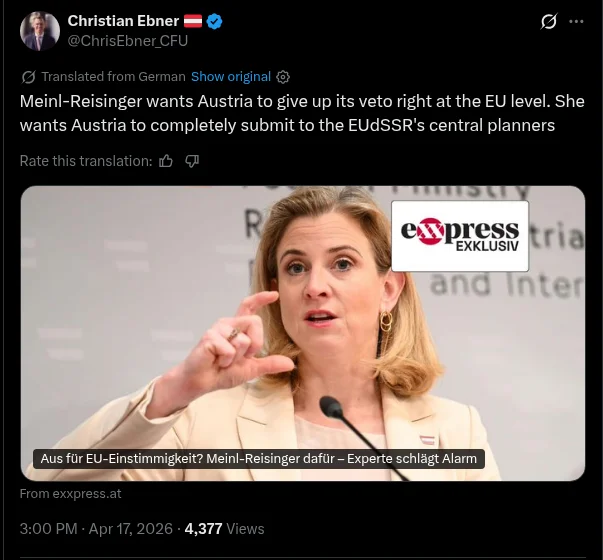
Notably, even Austria’s own Foreign Minister, Beate Meinl-Reisinger of the liberal NEOS party, has thrown her full weight behind the push.
As a vocal champion of a “stronger Europe,” she has repeatedly called for greater European security cooperation (including a potential joint EU army), deeper integration, and a pragmatic reevaluation of outdated national constraints.
This enthusiasm is understandable from a dedicated federalist - but it collides head-on with Austria’s own constitution.
The 1955 Constitutional Law on Permanent Neutrality (anchored in the Austrian State Treaty) explicitly mandates perpetual military non-alignment, bans foreign military bases on Austrian soil, and prohibits membership in any military alliance.
Under the new model, Austria (and any other reluctant state) would still be legally bound by the willing core’s decisions on foreign policy, sanctions, or defense-related matters - rendering its constitutional neutrality largely symbolic.
Similar constitutional or policy frictions lurk elsewhere.
Ireland’s long-standing tradition of military neutrality, while not as rigidly codified, could face the same squeeze if obliged to align with majority-driven EU positions.
The differentiated upgrade doesn’t offer opt-outs for the unwilling.
___
In the last few weeks, X has been overflowing with a coordinated swarm of federalist accounts relentlessly pushing the same message.
They flood timelines with slick infographics, cherry-picked polls, and repetitive slogans like “Abolish the veto” or “71% of Europeans want a stronger Europe now.”
To sell Differentiated Democracy™, they lean heavily on prejudice and emotional framing: any defense of national vetoes or neutrality is painted as “selfish,” “pro-Russian,” “outdated nationalism,” or the refuge of “populists” and “extremists” blocking progress.
It’s slick advertising dressed as urgent democratic reform - the same old centralizing push, just with better hashtags and targeted outrage.
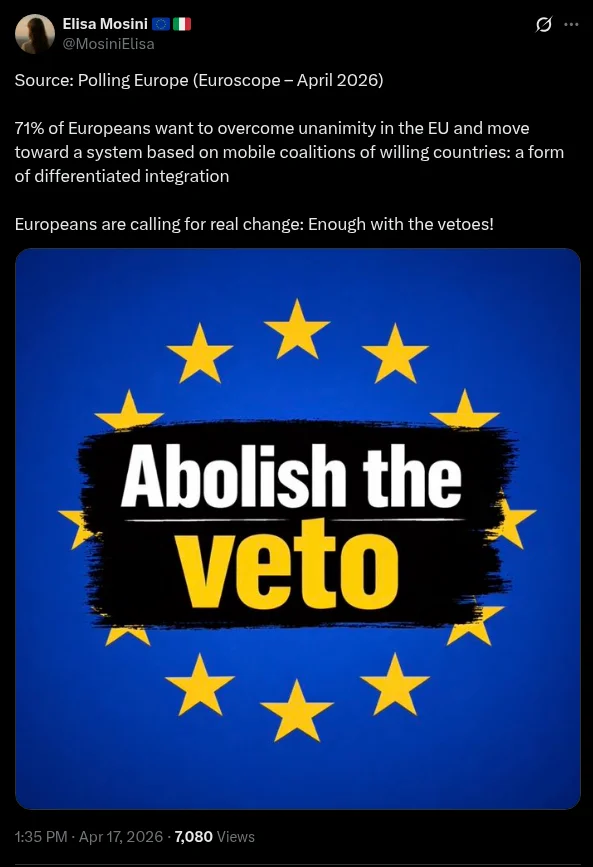
Here, an quick overview: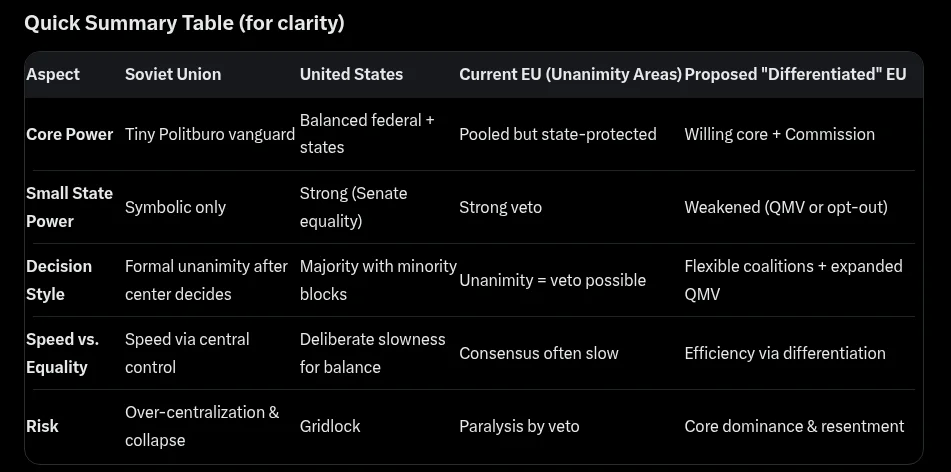
Hinweis: Dies ist ein satirischer Beitrag. vlgr ist kein echtes Nachrichtenportal – es handelt sich um Parodie und Übertreibung ausschließlich zu Unterhaltungszwecken. Lies den verlinkten Artikel für die tatsächlichen Fakten.
You might also like