EU | Strategic Compassion for Theocracies Declared New Cornerstone of Western Realism
Observers in the geopolitical commentary sphere reported a remarkable intellectual breakthrough this week: the discovery that peace in the Middle East can be achieved most effectively by extending limitless patience toward regimes that openly promise the destruction of the countries seeking peace.
The theory begins with an essential moral declaration. One must first emphasize decades of friendship with Israel and heartfelt support for the Jewish people. This opening ritual is widely regarded as necessary before explaining that Israel has now become the primary obstacle to stability in the region.
Analysts describe the method as rhetorically elegant.
“It’s a sophisticated maneuver,” one observer explained. “The friendship paragraph acts as a diplomatic shield for the next several thousand words.”
The resulting analysis then proceeds to recommend a new foreign policy framework based on empathy, dialogue, and careful understanding of revolutionary theocracies with ballistic missile programs.
Under this model, the most responsible course of action is to avoid unnecessary confrontation with regimes that are simultaneously enriching uranium, expanding missile ranges, and funding a network of regional militias. Stability, experts explain, depends above all on patience.
Critics of this approach occasionally point out that Iran maintains one of the largest missile arsenals in the Middle East and has enriched uranium close to weapons-grade levels, developments that have alarmed governments across the region. These critics are typically reminded that military threats become far less threatening once properly contextualized in a thoughtful podcast discussion.
Meanwhile, speculation continues about the behavior of American presidents. Some commentators confidently predict that any controversial military action will immediately collapse under the weight of public polling.
Historians gently note that presidents serving their final term sometimes behave differently from those seeking reelection. Freed from the immediate demands of the campaign trail, they occasionally pursue policies they believe necessary for strategic or security reasons.
Political scientists refer to this little-known phenomenon as “having nothing left to run for.”
In any case, the broader philosophical conclusion remains clear.
Peace, stability, and international understanding are most effectively achieved when Western democracies display maximum restraint toward regimes that routinely promise their destruction.
This approach, analysts say, reflects the maturity of modern geopolitical thinking.
After all, nothing stabilizes a volatile region quite like the firm belief that the people making threats probably don’t mean them.
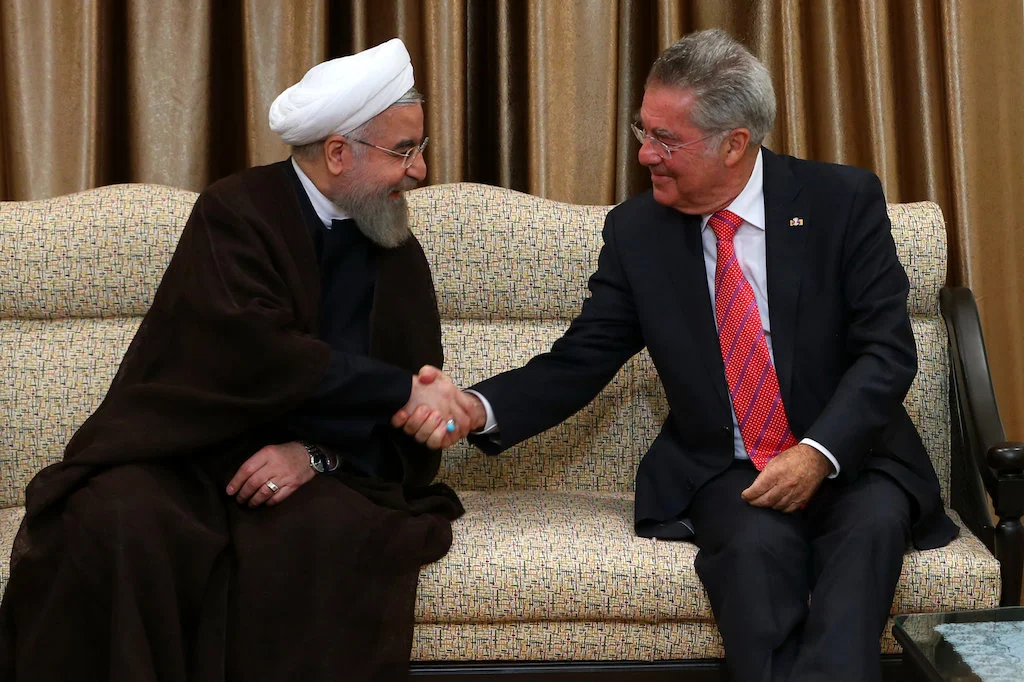
Image source: Wikimedia Commons / Wikipedia (public domain / Creative Commons licensed original photo)
Disclaimer: This entire piece, including any associated image caption or context, is pure satire and parody. It exaggerates and mocks certain rhetorical patterns in geopolitical commentary for entertainment and critical purposes only. It does not represent factual reporting, endorsement of any policy, or literal views of any individual, government, or organization. No actual centrifuges were contextualized during the making of this post.
You might also like