Austria, WEF’s Flagship Project, Takes Another Step - Introducing Electricity Billing by Stopwatch
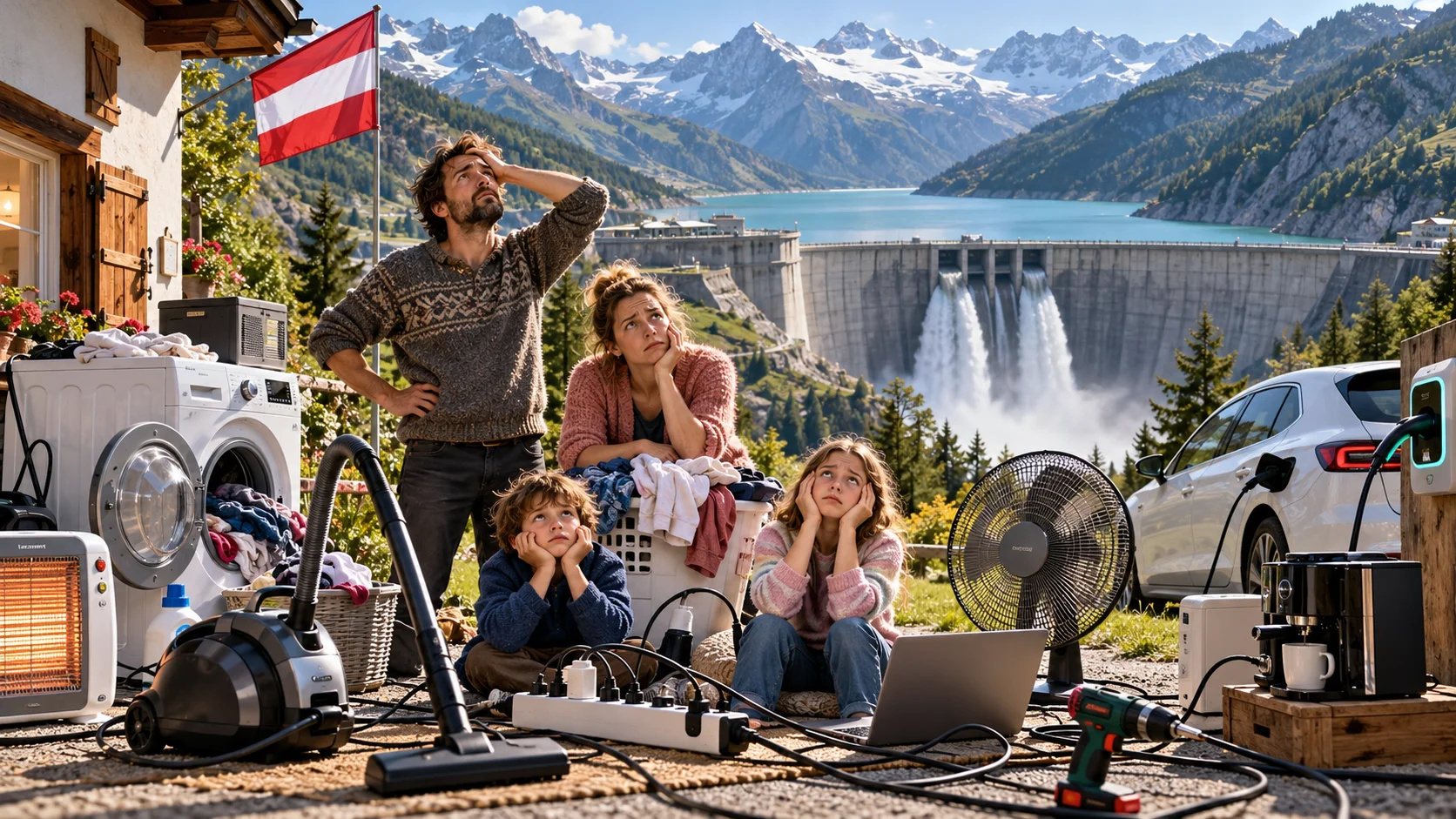
Forget running the washing machine, vacuuming, having two electric boilers on, using the air conditioner, cooking a meal, and - Gd forbid - running two reasonably strong PCs at the same time. Or, heaven help you, briefly using a saw or a drill.
This is of course no problem for people who can spread their usage across the day, aka the unemployed.
But you, the pesky working taxpayer, come home after eight or nine hours in the office and two hours of commuting. Please carefully stagger your domestic needs through the night.
Bought an electric car like a good citizen? Then just remember to throttle the charger down to 4 kW.
It’s not as if Austria has an electricity shortage. In 2025 renewables covered roughly 78 % of domestic electricity consumption (down from a record 94 % in the wet year 2024). Of the electricity actually generated in the country, hydropower alone accounted for 50.7 %, photovoltaics 13.4 %, wind 11.7 %, and biogenic fuels about 7 % - an overall renewable share of generation of 82.3 %.
Total installed hydro capacity sits around 15–16 GW, the large majority of it built and financed by the state and state-owned companies. Austrian taxpayers paid for it. There was no private investor who put up the capital and took the risk for the big plants.
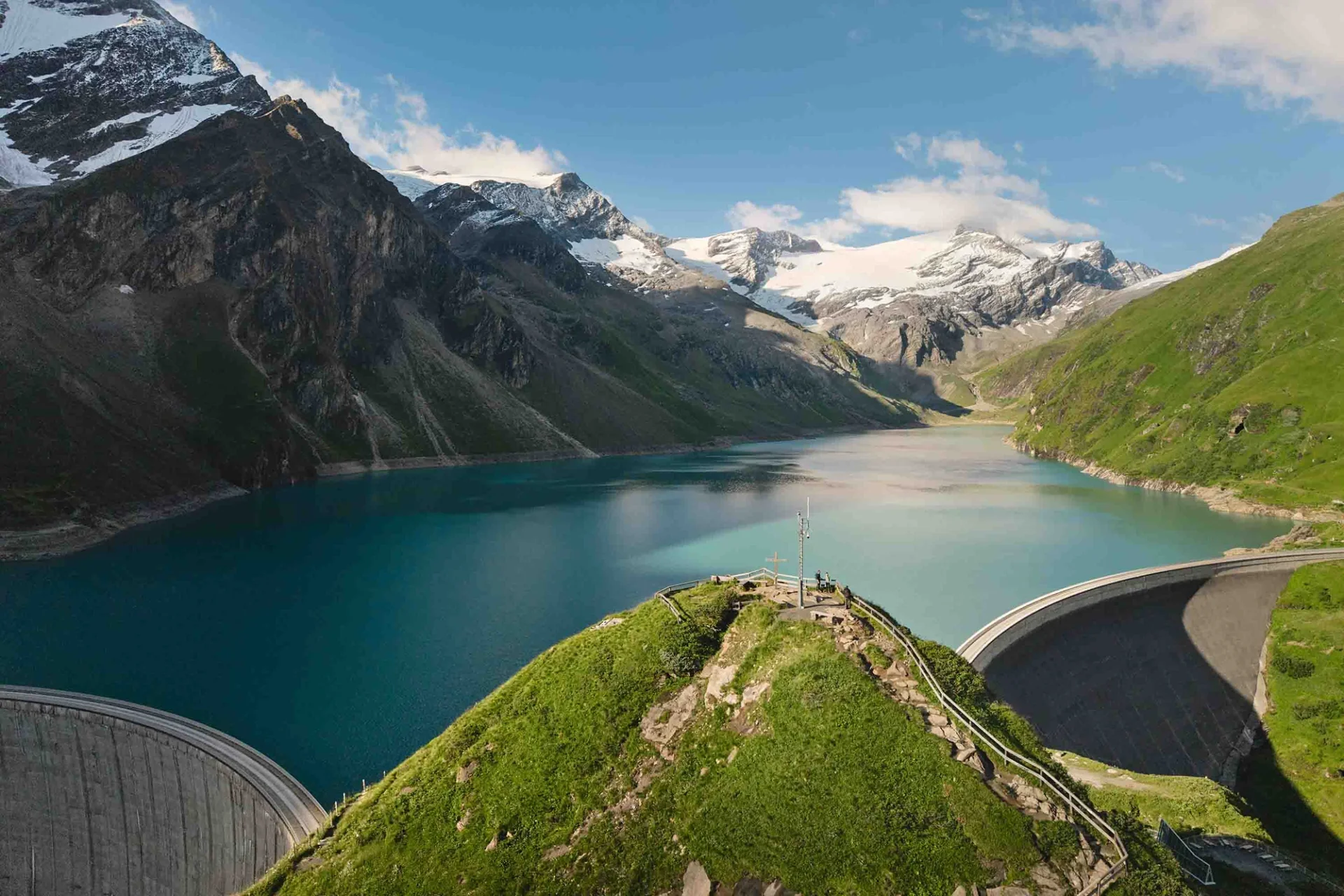 The Kaprun high mountain reservoirs in Hohe Tauern National Park
So Austria is generating most of its electricity from low-marginal-cost hydropower, built and paid for by the public, but, ha, there is the Merit Order - under this system, the wholesale price is set by the most expensive plant needed to meet demand in a given hour. Yeah, it's bonkers.
Because the Austrian market is tightly linked to Germany’s, gas-fired generation frequently sets the price.
As a result, Austrians pay prices that reflect the cost of gas-fired power, not the cost of the hydro plants they financed.
Welcome to Austria, the WEF's model pupil.
Nobody is forbidding you from cooking, heating your home, doing your laundry or charging the electric car they encouraged you to buy. You are perfectly free to do all of it. Just not when you need it.
The finance minister is reportedly delighted.
You'll pay for everything, own nothing and be happy.
Mohlo by vás zaujímať