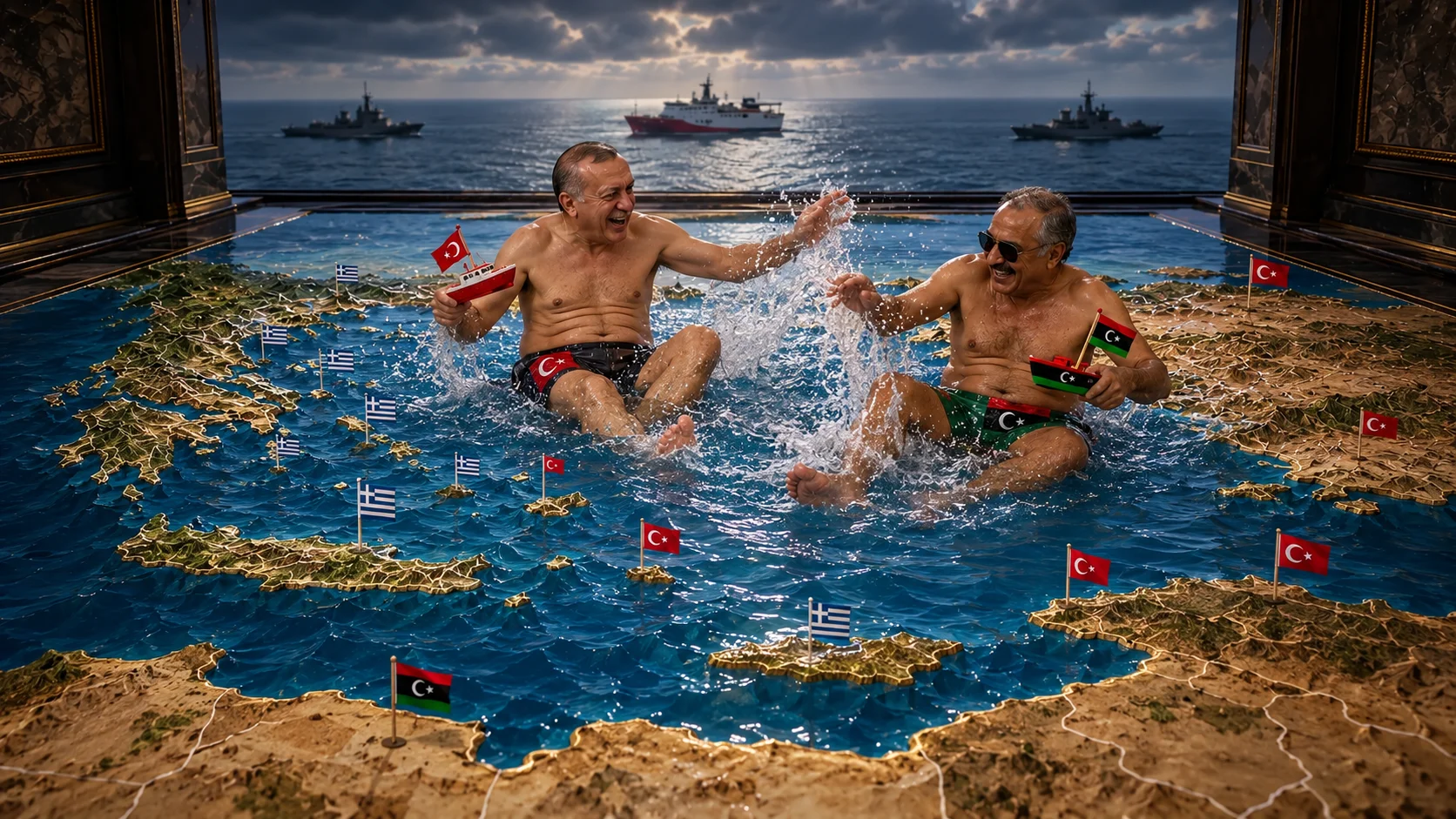
EU Migration Pact Begins Tomorrow, Turning Europe’s Migration Crisis Into A Subscription Plan
The famous “solidarity mechanism” is sold as fair burden-sharing.
In practice it mostly moves money around while very few countries are willing to take the actual people.
In 2025 the EU registered 669,000 first-time asylum applications with more than 1.2 million cases still pending. Irregular crossings stood at roughly 178,000.
The Pact’s 2026 solidarity reference is set at around 21,000 relocations or €420 million in financial contributions.
Countries under pressure (Greece, Italy, Spain, Cyprus) can receive either relocated people or money and operational support.
Most other member states have the option to pay roughly €20,000 per person instead of taking anyone.
The V4 countries have made it clear they will use the payment option rather than relocate migrants, especially from high-risk origins.
Greece has strengthened its own border controls and asylum filtering and is positioned as a recipient under the mechanism, not as a secondary host for people already inside Europe.
Germany and France already carry large absolute numbers from previous years.
Austria has taken significant inflows relative to its size in recent periods and now shows some of the most visible local effects.
In Vienna public schools Muslim pupils now make up 41–42 % of the total, with some districts over 50 %. This is one of the strongest examples of how national averages hide concentrated change in certain cities.
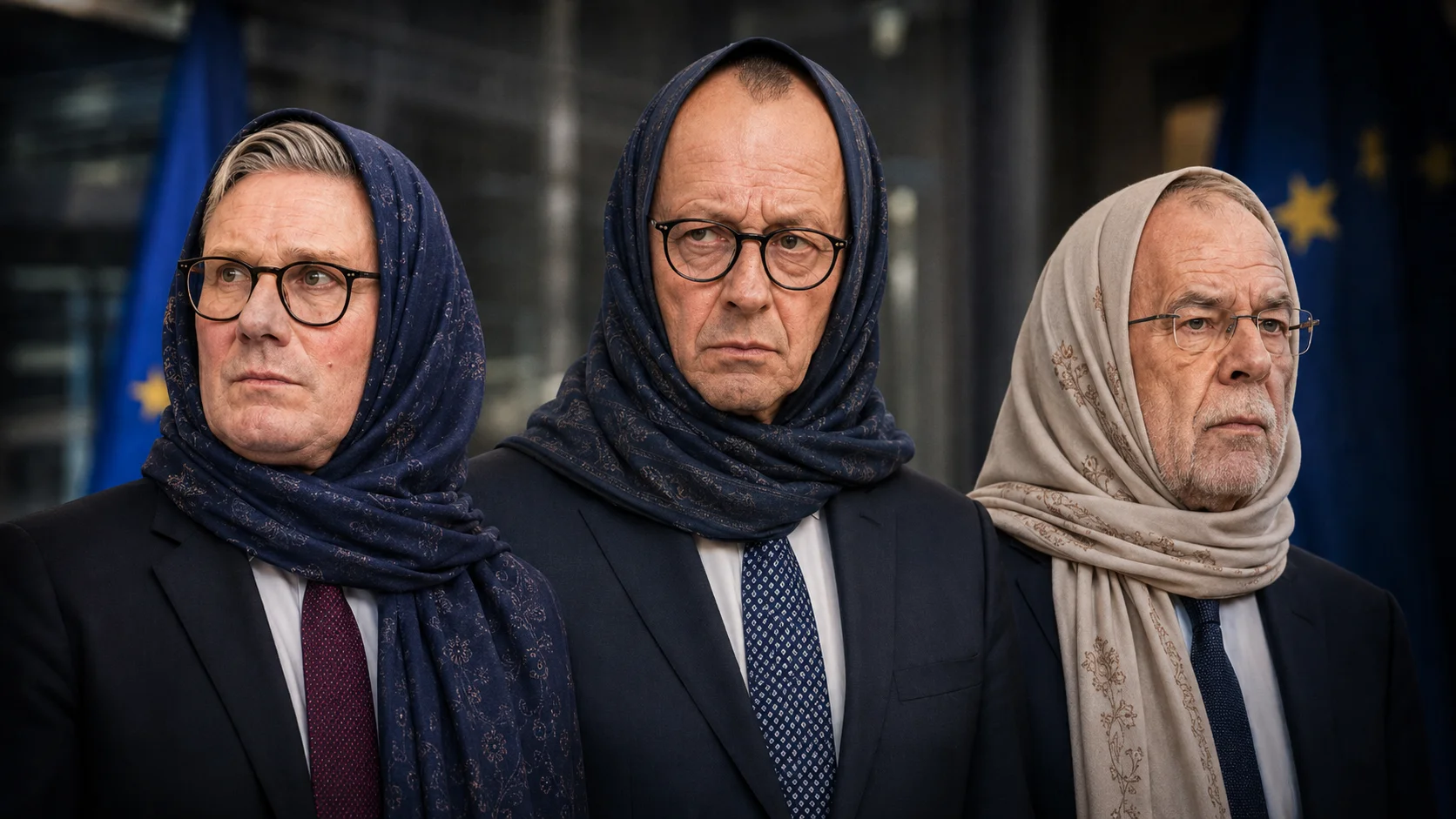
This didn’t happen by accident. It happened under a political class - most notably President Alexander Van der Bellen - that went so far as to suggest Austrian women might one day have to wear headscarves themselves “out of solidarity.” Not some women. Every woman.
Similar patterns, though less extreme, appear in parts of Germany and France.
Welfare and employment data across several member states continue to show higher long-term dependency for non-Western and asylum cohorts. Crime statistics in Germany show non-Germans (around 16 % of the population) accounting for 34–38 % of suspects, with stronger overrepresentation in violent and sexual offences among specific origin groups. Returns of rejected applicants remain low and remigration seems impossible.
The mechanism does not stop irregular entry.
It mainly allows countries that do not want to take people to pay instead, while the places that have already taken significant numbers - or continue to absorb the downstream effects - carry the longer-term costs in schools, welfare systems, public safety and the slow erosion of the old secular default in daily life.
Importing large numbers from societies with stronger moslem identity and different attitudes toward morality, gender and public space has created friction that is now being managed through more self-censorship and policy adjustment rather than by reasserting the previous standard.
Was the European way of life really this fragile, or did the weakest leaders simply decide it was easier to sell their children’s future than to stand up to Brussels and say no?
At this point the real question is whether we’re heading for open civil war in some countries, or whether parts of Europe will simply slide into Sharia-controlled zones while the rest keep slowly closing off the borders.
Onwards, infidels!
You might also like