EU Court Adviser Suggests Commission Should Reveal Vaccine Contracts; Brussels Relieved To Learn Consequences Remain Strictly Theoretical
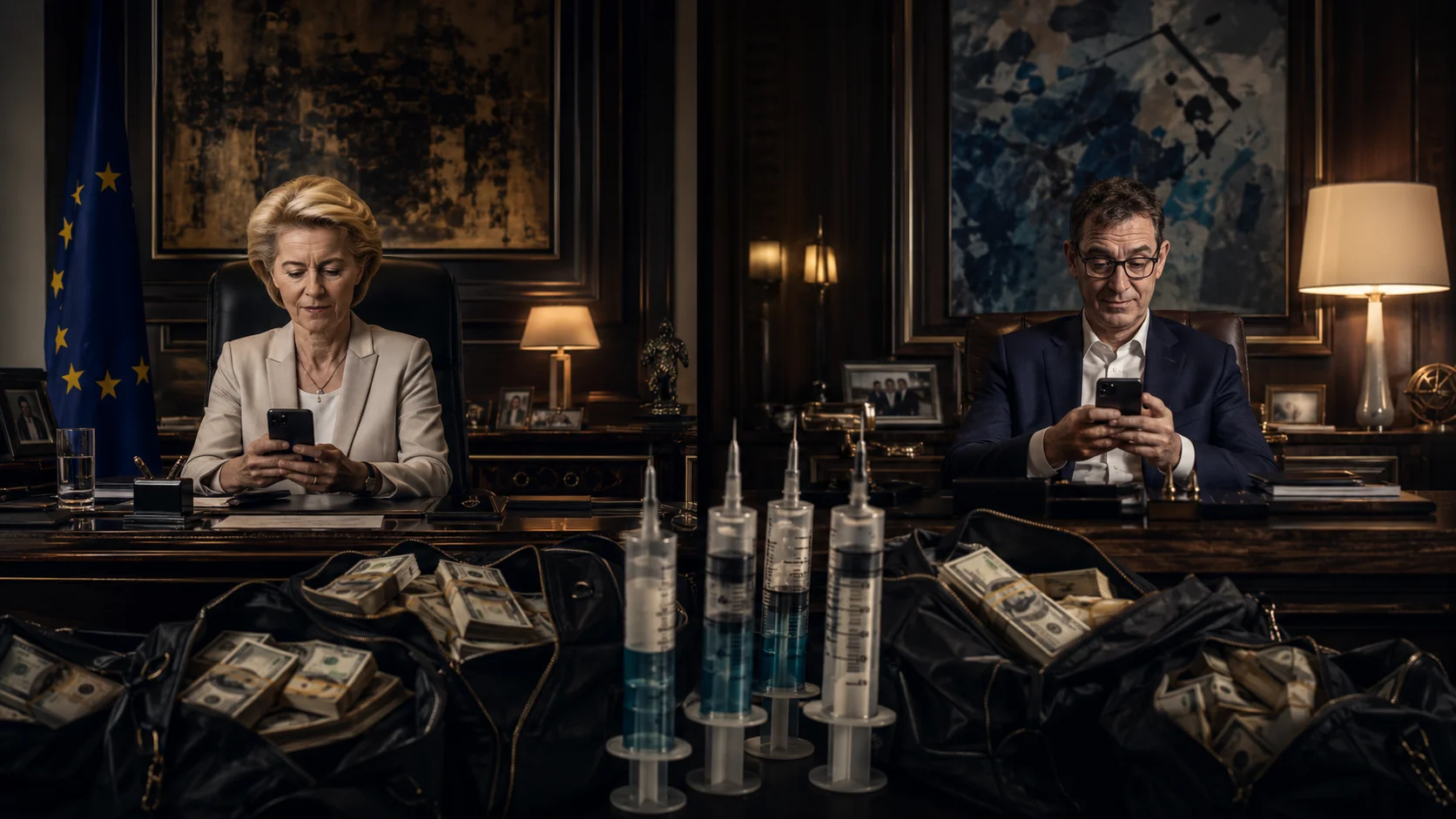
Luxembourg, 11 June 2026 - Advocate General Athanasios Rantos has recommended that the European Court of Justice reject the Commission’s appeal in the COVID-19 vaccine contract transparency cases.
In July 2024, the General Court had already ruled that the Commission was not entitled to redact the names of the members of the negotiation teams or certain contractual clauses, including indemnification provisions.
The Commission appealed.
On 11 June 2026, Advocate General Rantos advised the Court to dismiss those appeals, stating that transparency in the negotiation of the vaccine agreements serves a specific public interest under EU law.
The Commission had argued that disclosure could harm the commercial interests of the pharmaceutical companies and that anonymised declarations of no conflict of interest were sufficient.
The Advocate General was unconvinced, noting that anonymised declarations do not allow the public to properly assess the impartiality of the negotiators.
The opinion concerns two cases and is not binding, but the Court of Justice usually follows Advocate General recommendations.
If it does so here, the Commission will likely have to release significantly more information about the contracts signed in 2020 and 2021 for over a billion vaccine doses.
PFIZERGATE
This comes after the related “Pfizergate” case.
In May 2025, the General Court (sitting as Grand Chamber) ruled that the Commission had failed to provide a plausible explanation for why it could not produce text messages exchanged between Commission President Ursula von der Leyen and Pfizer CEO Albert Bourla during the vaccine negotiations.
The Commission had claimed it did not hold the messages and had no obligation to retain short-lived communications. The Court rejected that position.
The Commission did not appeal the judgment, so it became final.
Consequences? None.
The messages remain missing.
There is also the awkward little transatlantic question nobody in Brussels seems especially eager to ponder on -
If the messages existed on one side of the conversation, did they also exist on the other?
Since Albert Bourla is based in the United States, any messages sent via iMessage, SMS or other platforms could theoretically have been backed up on U.S. devices or corporate systems.
No verified evidence has emerged that Apple, Pfizer or any U.S. authority has produced the messages in response to the EU proceedings.
~
The new Advocate General opinion therefore arrives at an awkward moment for the Commission.
One court has already criticised its handling of missing high-level text messages.
For von der Leyen personally, the issue is politically uncomfortable rather than legally catastrophic.
There has been no court finding of personal wrongdoing against her in these transparency cases.
Fortunately for everyone involved, this is the European Union, where even a serious institutional defeat is no problem.
Nobody important needs to panic.
Nobody will be dragged dramatically from an office.
There will be no cinematic reckoning, no sudden resignation, no cleansing fire of accountability.
In theory, the public wins access.
Citizens hoping for consequences should manage expectations.
The EU can produce a court ruling with impressive speed by geological standards, but consequences remain a more delicate species, rarely seen in the wild and believed by some experts to be extinct in Brussels.
For now, the full Court is expected to issue its final judgment in the coming months.
After all, this is not some primitive system where public officials face meaningful consequences for withholding information about historic public procurement deals.
This is Europe.
We have values!
You might also like