EU taxpayers are once again "investing" and bringing "our democracy" to Russia's border
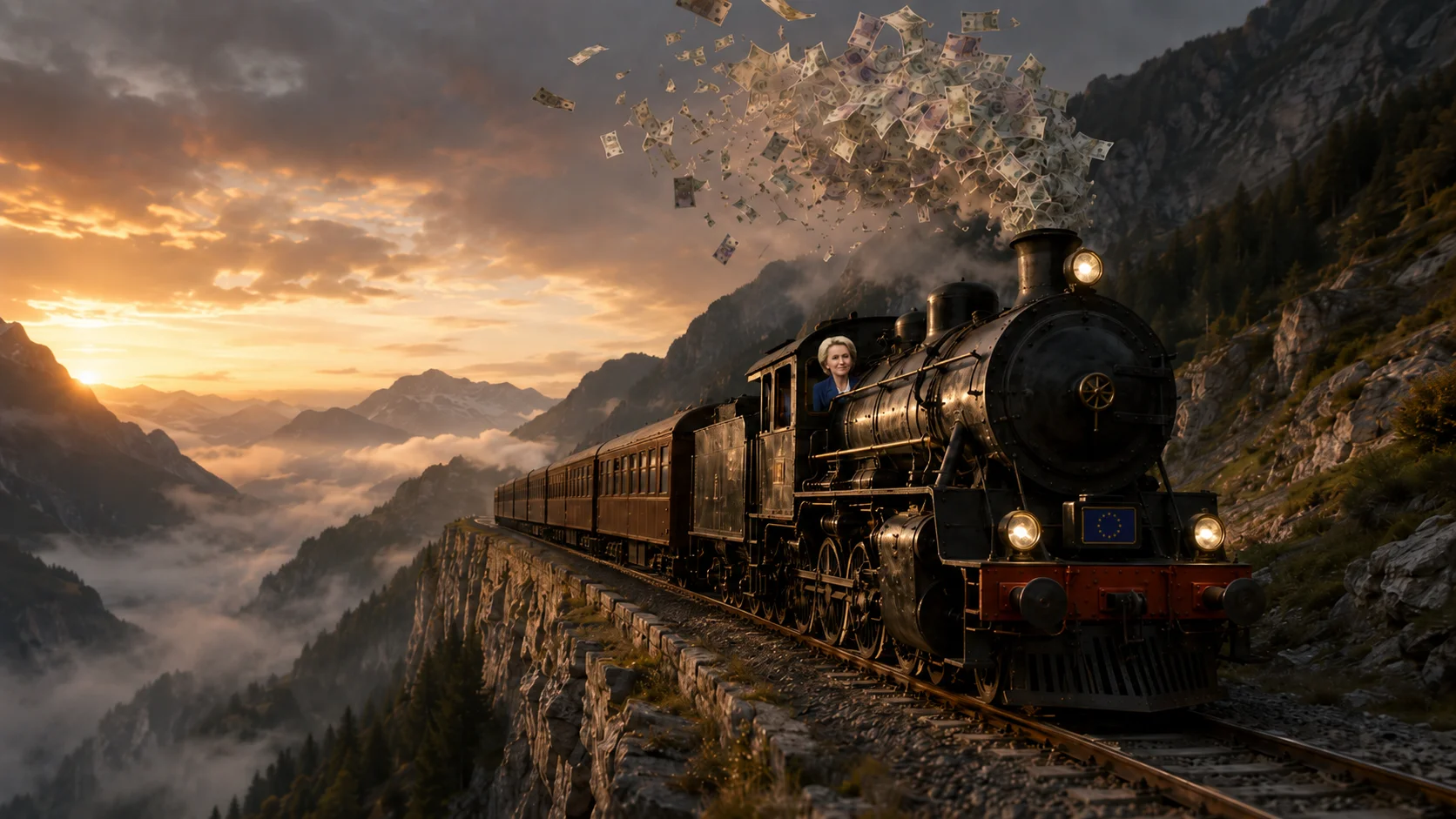
While von der Leyen was in Baku cutting the connectivity deal with Aliyev, Kaja Kallas was in Ankara meeting Recep Tayyip Erdoğan.
The South Caucasus is not some isolated development project. It is a narrow strip of land squeezed between Russia to the north, Turkey to the west and south, and Iran to the south.
The EU presents its grants and guarantees as neutral technical support for peace and prosperity. In reality it is one more player trying to buy a seat at a table where Turkey already has strong historical, linguistic and military ties with Azerbaijan, where Iran watches nervously from the south, and where Russia still considers the region part of its near abroad.
This is the same pattern the EU followed with Ukraine - offering economic integration and infrastructure money while steadily pulling a country into its orbit, right on Russia’s border. Only this time it’s being done more quietly, through grants and guarantees rather than open accession talks.
Funny how the EU always discovers the strategic importance in places that happen to annoy Moscow.
Armenia and Georgia are majority Christian countries with ancient apostolic and orthodox traditions that predate the EU by roughly 1,700 years.
Azerbaijan is overwhelmingly Shia Muslim but runs a strictly secular, centralised system under the Aliyev family.
Back to the financial aspect of this deal
The money will flow as grants under the Global Gateway - a part of the EU budget - brand.
The €20 million slice targets demining, healthcare, rural development and small businesses in border areas.
The "leverage" accountant trick
Let's take a closer look at how the celebrated "leveraging" of €200M → €2B actually works.
Let’s say they want to finance a €600 million railway or port upgrade project in the region.
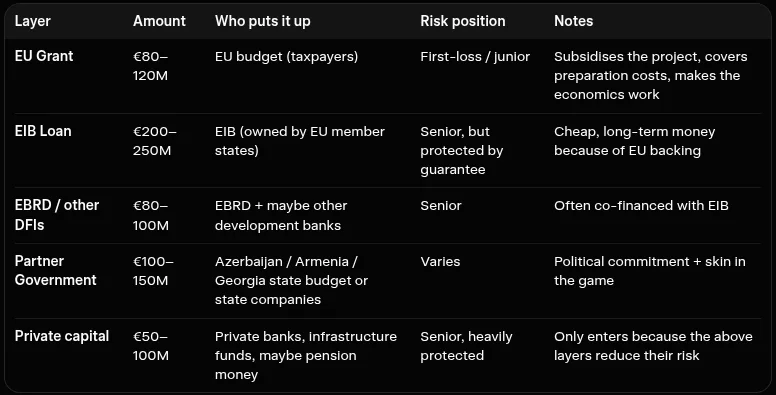
Total project size: ~€600M
EU grant contribution: ~€100M
The EU doesn’t just give the grant. It also issues guarantees through the EFSD+ (European Fund for Sustainable Development Plus), saying
“If this project goes tits up and the lenders lose money, the EU budget will cover a big part of their losses.”
Because the guarantee exists, the European Investment Bank - EIB and the European Bank for Reconstruction and Development - EBRD can lend larger amounts at better rates.
Private investors - if any - accept projects they would normally reject.
The leverage ratio looks fantastic on paper because one euro of guarantee can support several euros of lending.
The EIB is not private capital. It is owned by the EU member states. Its lending capacity ultimately rests on the capital provided by those states and on its ability to borrow cheaply because of the EU’s credit rating. When the EIB puts money into a South Caucasus connectivity project, it is still, at root, European public money or money borrowed against European public backing.
A typical financing stack for one of these projects therefore looks like this:
- EU grant (direct budget money)
- EIB and EBRD loans (development bank money backed by member states)
- Some contributions from the governments in Baku, Yerevan, Tbilisi or other interested parties
- A thinner slice of private capital that only appears once the grant and the guarantees have reduced its downside risk
The Commission then adds up the entire project size and calls the result “mobilised investment”.
A large part of the celebrated €2 billion is therefore either EU-linked public money.
The private component exists largely because European taxpayers have already agreed to absorb the first layer of losses through grants and guarantees.
If the project generates the expected returns, everyone involved looks competent.
If they fail or underdeliver, the bill lands disproportionately on EU taxpayers through the grant that was already spent and the guarantees that get called.
The private investors and senior lenders are protected by their position in the capital structure and by the EU guarantees.
The risk is transferred, in large part, onto European taxpayers while the narrative of “leveraging private capital” is maintained for public consumption.
The Turkey angle
Around the same time, Kaja Kallas led a “jumbo delegation” to Ankara to meet Erdoğan and Foreign Minister Hakan Fidan.
Turkey is being courted as a “key partner” on migration control and energy routes.
Erdogan does not allow EU money and guarantees into his backyard because he’s a good partner. He does it because Brussels is willing to pay for Turkish cooperation - and who knows what other concessions were quietly agreed to make the deal happen.
This is not partnership. It is pay-to-play diplomacy.
~
Once the grants are approved and the guarantees are issued, the money effectively disappears from public view. It moves through the EIB, blending facilities, guarantee instruments and implementation by partner governments and contractors.
There is no clear, accessible trail that an ordinary citizen can follow.
By the time questions are asked, the funds have already been absorbed into complex financial structures, multi-layered contracts and opaque reporting systems that even most MEPs struggle to penetrate.
Whether the actual bridges, pipelines or political alignments will outlast the next crisis is, as always, left as an exercise for the reader.
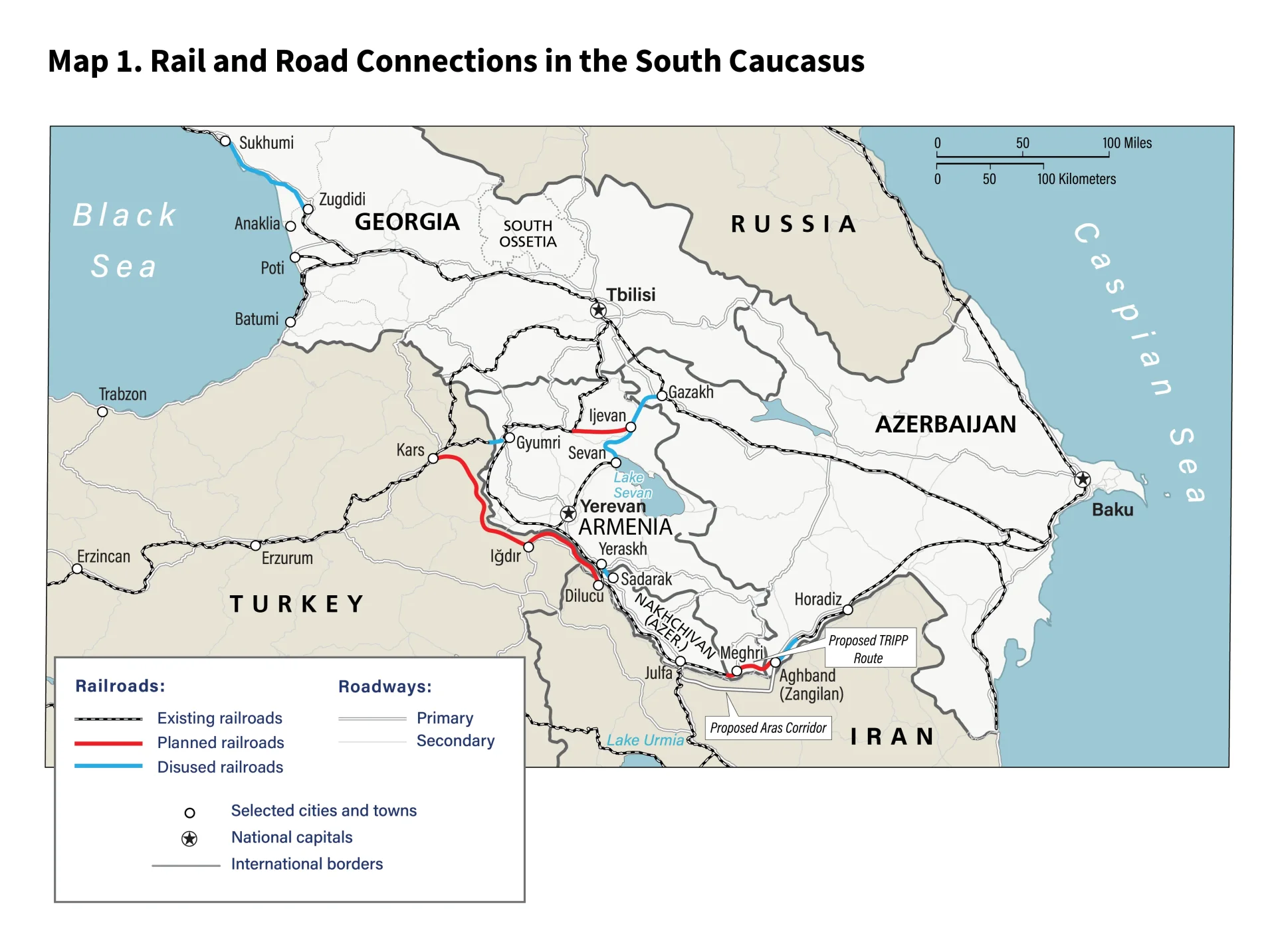
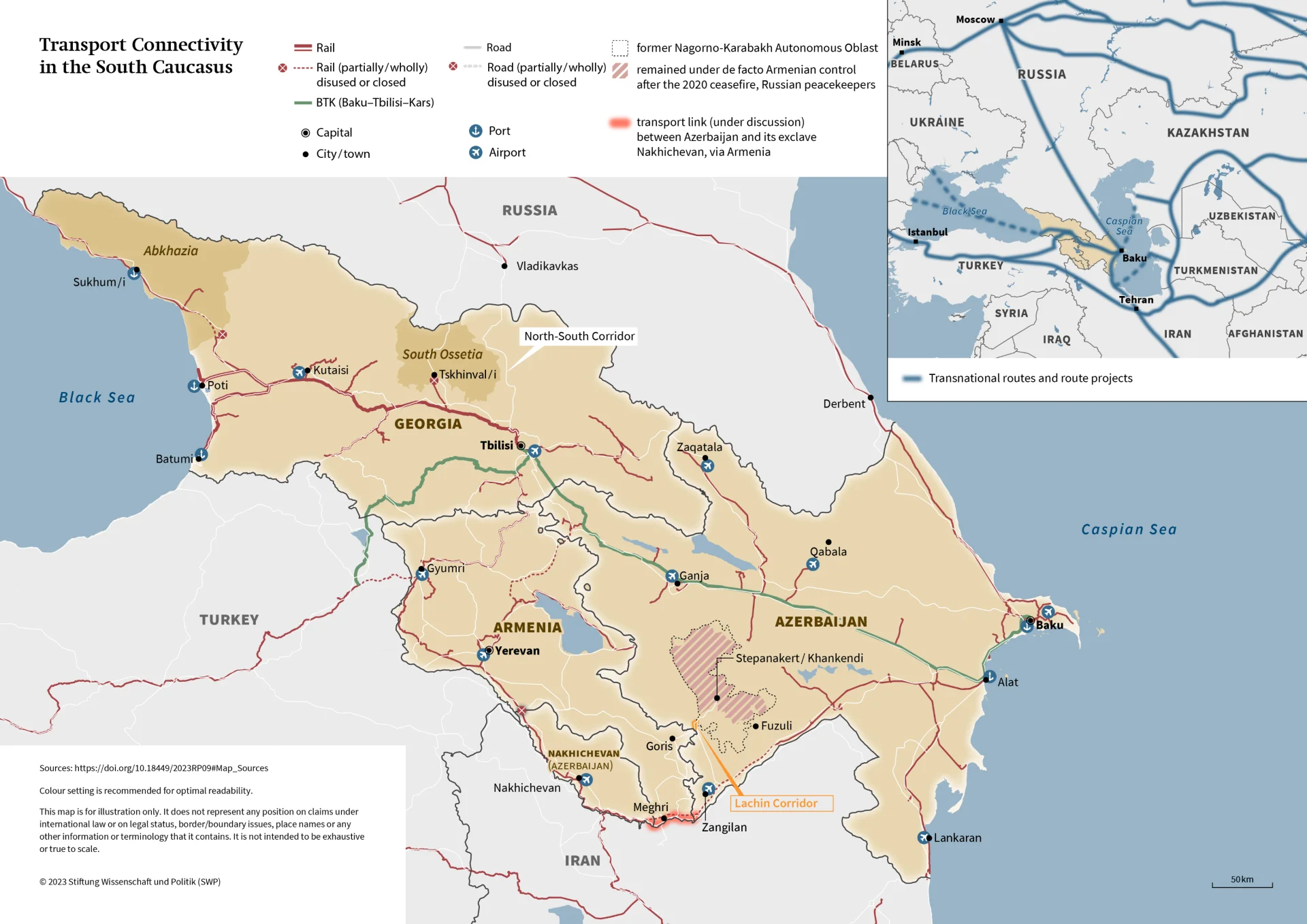
Here are two maps showing the current and proposed rail/road networks:
Mohlo by vás zaujímať