They ARE Talking…
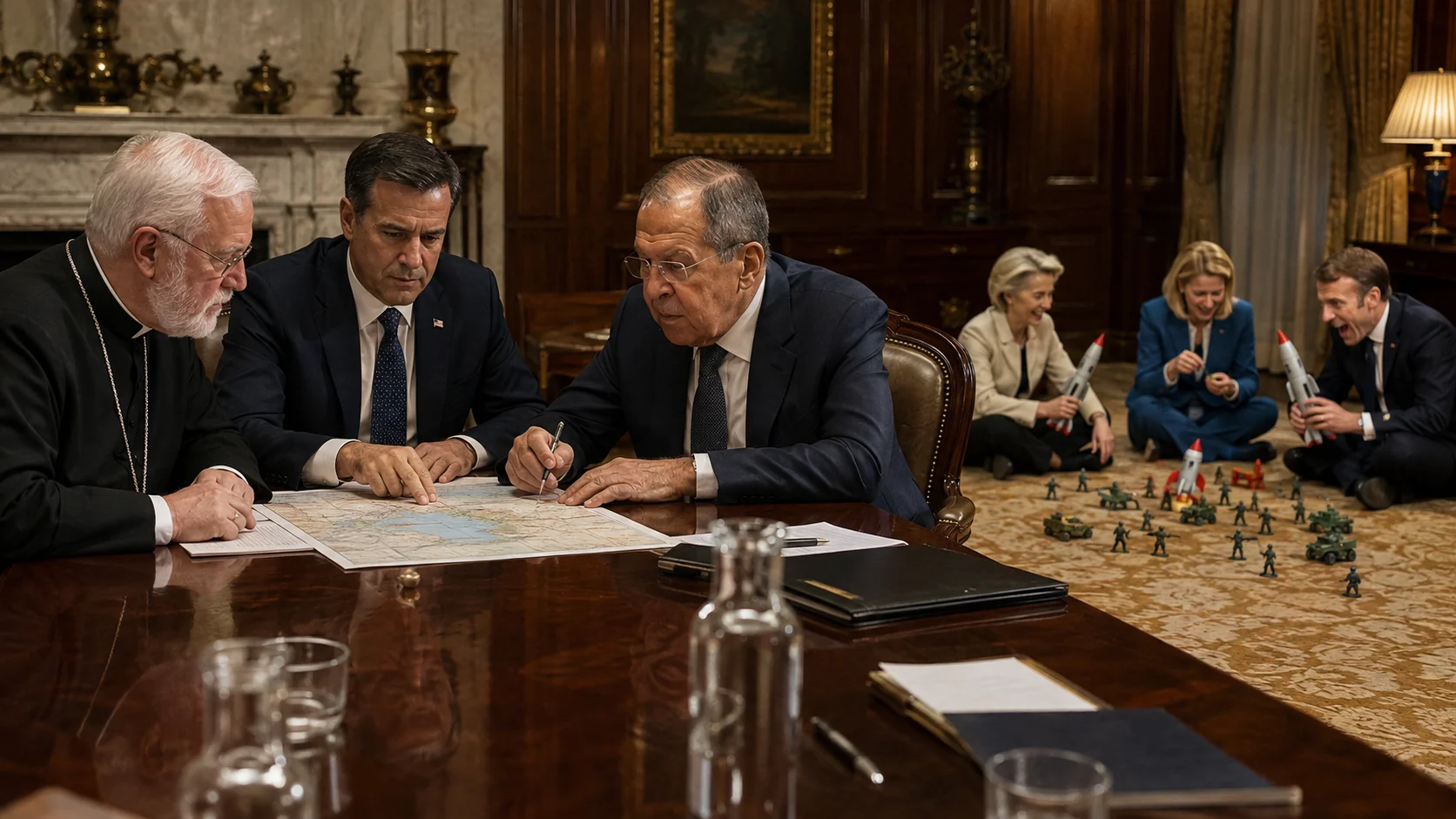
Archbishop Paul Richard Gallagher, the Holy See’s Secretary for Relations with States, met Russian Foreign Minister Sergey Lavrov. Gallagher stated publicly that “this war must end,” offered the Vatican’s good offices for negotiations, and discussed humanitarian questions including prisoners, the wounded, and children affected by the conflict. It was the highest-level Vatican diplomatic visit to Russia since before the special military operation.
Overlapping, CIA Director John Ratcliffe arrived in Moscow on a U.S. Air Force C-17 Globemaster.
The visit was unannounced.
Flight data and a motorcade made it visible. Ratcliffe spent only a few hours on the ground and left. No official explanation has been offered by Washington or Moscow. It was the first known trip by a sitting CIA director to Russia since William Burns in November 2021.
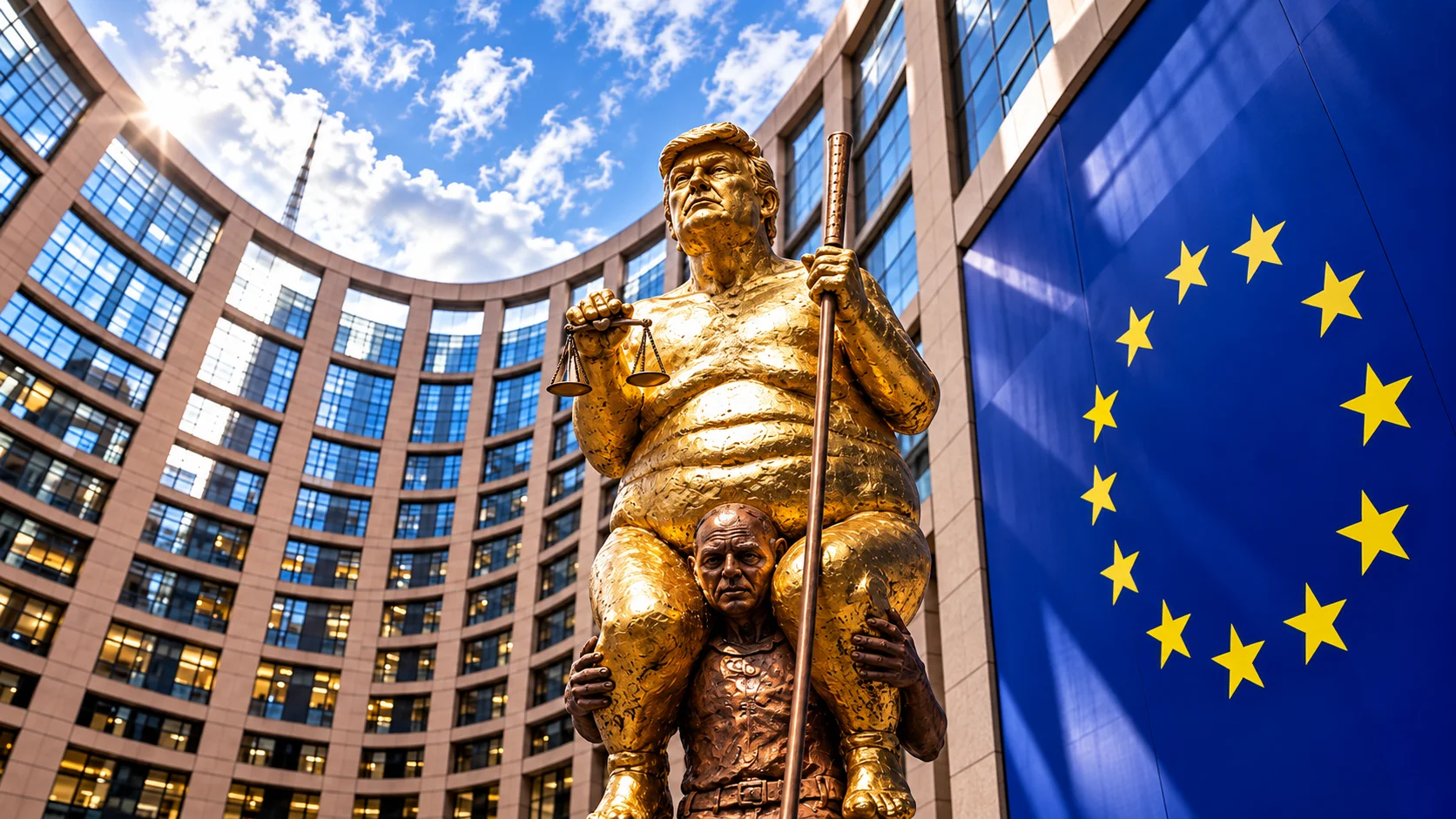
The European Union and UK, as always, celebrated Ukrainian “independence” and the growing list of dead Ukrainian heroes by writing another cheque and reaffirming its willingness to fight until the last Ukrainian.
After that, preferably, create an EU army and pour the population’s wealth and the young generation into the meat grinder.
Brussels speaks of peace while building institutions, budgets and industries geared toward further escalation.
The hatred is often personal and aesthetic rather than strategic.
This war is treated as a moral project - a civilisational struggle in which compromise itself becomes a form of betrayal.
**
That moral framing is not shared across Europe.
Ukraine is not a consolidated democracy. It ranks poorly on corruption indexes (Transparency International CPI around 35/100), operates under martial law with postponed elections - now 3 years overdue, and has repeatedly seen high-level corruption scandals even while receiving massive Western aid.
There have been repeated incidents in which Ukrainian munitions - drones and, earlier, a missile - have crossed or crashed into the territory of neighbouring states that are actively supporting Kyiv.
Relations with Hungary and Slovakia have deteriorated into open mutual threats over energy transit.
In Serbia, Bulgaria, Romania and Greece, large sections of the population view the EU’s line as intrusive.
Many remember that the Soviet Union ultimately dissolved through political agreements rather than a continent-wide war.
Even in Western Europe the consensus is thinner than official rhetoric suggests.
In Italy, polling consistently shows a clear majority preference for negotiations, including scenarios in which Russia retains some territory.
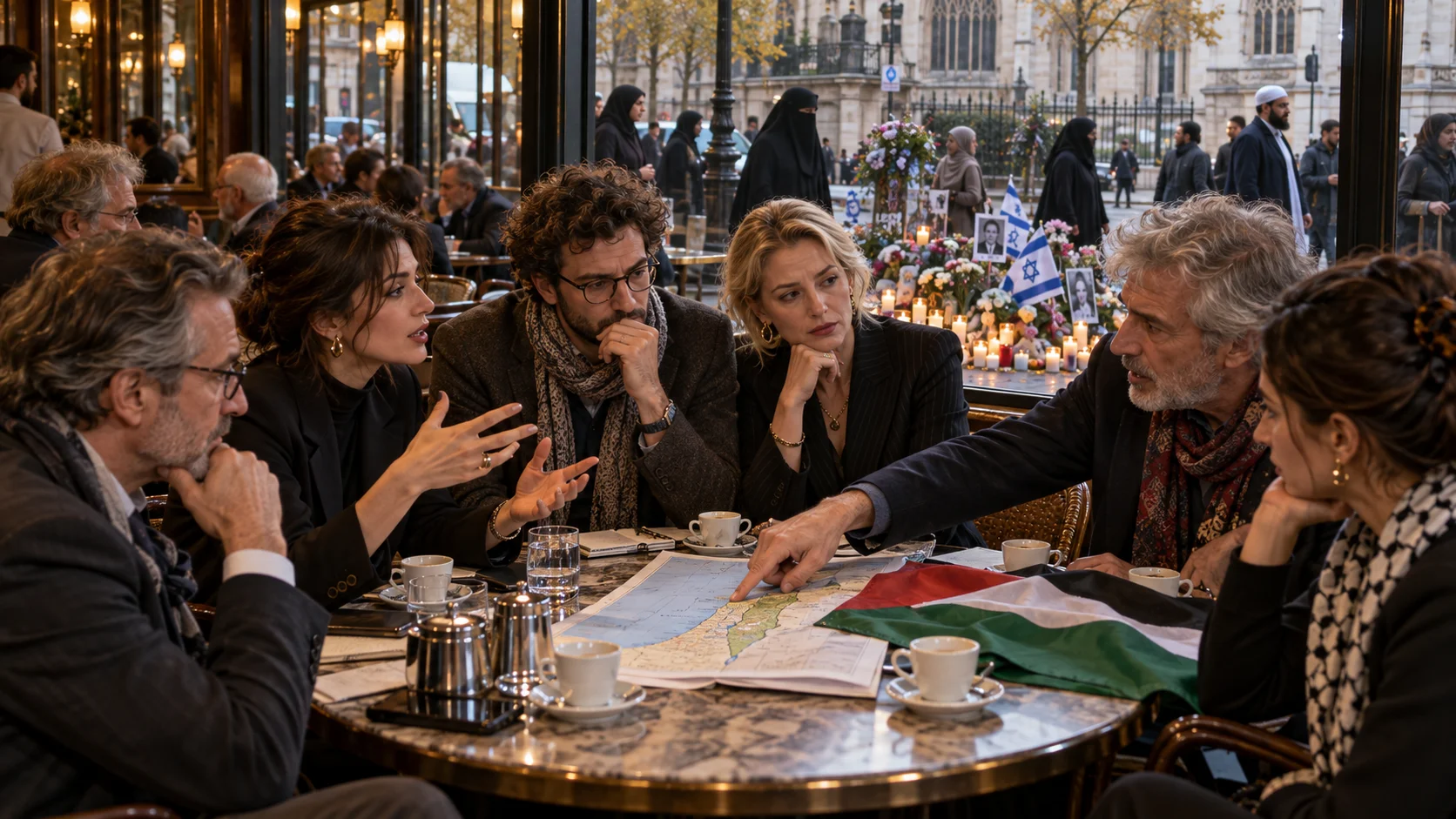
In Austria, Germany and France, minority but persistent voices calling for de-escalation and normalisation exist as well.
These are routinely marginalised, labelled “Russian Trolls,” or pushed out of mainstream media and political discussion. The media environment in much of the EU remains heavily one-sided: continuous anti-Russian framing is the default, while arguments for a negotiated end are treated as suspect.
Against this background, the full-throated “Slava Ukraini” moral absolutism is driven primarily by Brussels institutions, figures such as Von der Leyen, Kaja Kallas, and a layer of Western European political and media elites whose own children will never be conscripted to the front.
**
This results in a strange spectacle.
The United States and the Holy See proved capable of talking to Moscow.
Large parts of the European population would prefer the same, while their representatives escalate and transform the bloc into a war economy.
The United States under the current administration appears willing to reopen channels.
Russia has always preferred dealing with powers that can deliver.
Isolation produced certain partnerships of convenience. If that isolation softens, the incentive to maintain inconvenient relationships weakens.
Iran is the clearest example. Moscow’s ties to Tehran were partly a product of necessity when the West refused to engage. The same logic applies to other relationships that look less strategic should alternative options reappear.
Should the United States and Russia succeed in rebuilding a functional relationship, the European Union will find itself increasingly isolated - a wealthy but demographically declining bloc that spent years converting foreign policy into moral theatre while its own cohesion, energy security and industrial base steadily eroded under the combined weight of an ideologically driven green agenda and large-scale demographic change, including rapid islamization.
The gap between what EU leaders do and what their populations actually want widens every day.
If that gap continues to grow, the Union itself may eventually fracture along the same lines the Soviet bloc once did - which would be the richest irony of all.
Sources
You might also like