Ukraine's White Horse Reaches the End of the Merry Road
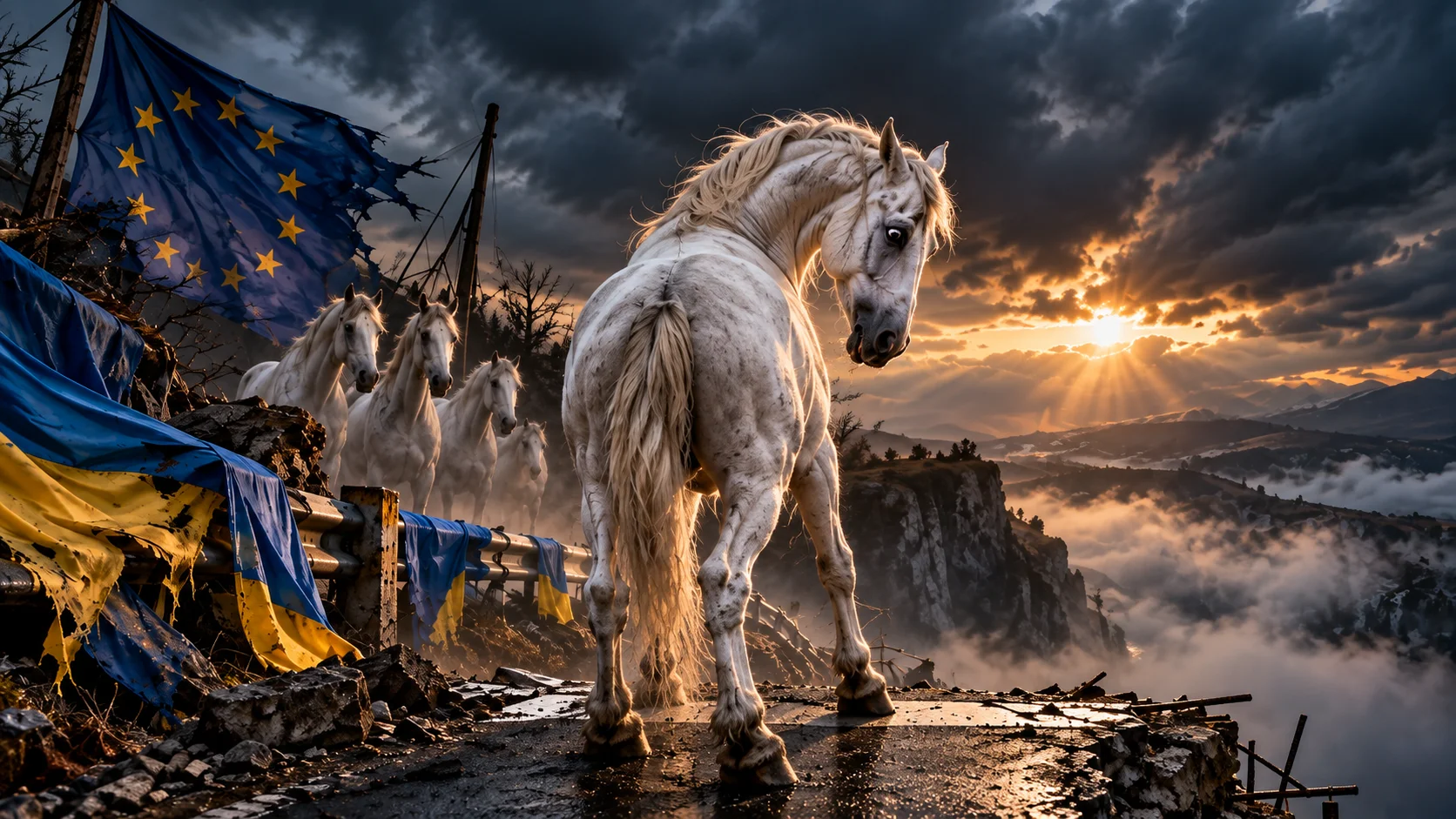
In some Central European Slavic countries, there is a particularly useful expression from the criminal underworld: biely kôň, or "white horse."
A white horse is an often less-than-intelligent frontman placed in a position of economic or political power to carry out dirty business while the people actually pulling the strings remain safely in the background. He signs the documents, makes the decisions and assumes the responsibility, while somebody else collects the benefits.
When the operation is over, the white horse becomes expendable. The lucky ones end up in court or prison. The less fortunate occasionally suffer tragic accidents.
On October 10, US President Donald Trump publicly called for Ukraine to replace Volodymyr Zelensky, accusing him of repeatedly refusing opportunities to negotiate an end to the war.
Four days later, Ukrainian military officials reported sudden restrictions on Starshield, the military version of SpaceX's Starlink satellite communications network.
Terminals operating at speeds above approximately 160 km/h began losing connectivity, effectively disrupting Ukrainian offensive drone operations.
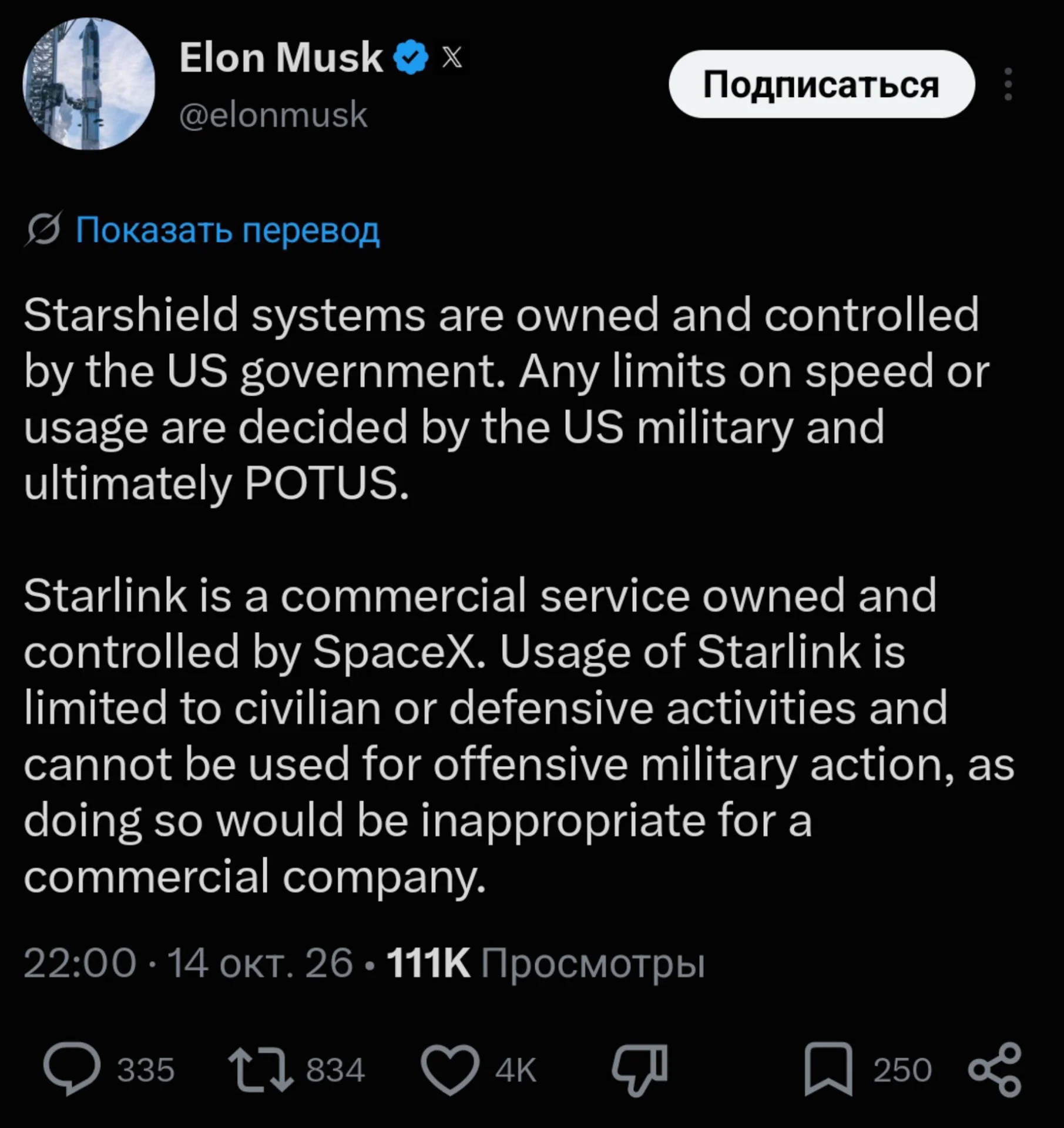
Elon Musk explained that Starshield belongs to the US government and is controlled by it. Any restrictions on speed or usage are therefore decided by the US military and ultimately by President Trump.
Commercial Starlink, Musk added, is a different matter. Operated by SpaceX, its use is explicitly limited to civilian and defensive purposes. Offensive military operations are not permitted.
NATO Secretary General Mark Rutte declared on October 14: "We see no imminent threat against NATO territory."
The political picture has changed considerably in just a few days.
The White Horse Approaches the End of the Road
So, is it finally over? Has Ukraine's white horse reached the end of its rather expensive ride?
The immediate problem for Volodymyr Zelensky is not merely losing the presidency. It is what might come afterwards.
Ukraine has a rather unusual tradition of presidential retirement. Former president Leonid Kuchma faced criminal proceedings concerning the murder of journalist Georgiy Gongadze - eventually dismissed.
Viktor Yanukovych fled to Russia and was subsequently sentenced in absentia to 13 years for treason in 2019, followed by another 15-year sentence in 2025.
Petro Poroshenko, Zelensky's immediate predecessor, has also faced treason charges.
Zelensky has considerably more to explain.
Billions in international assistance, wartime corruption scandals, abandoned peace opportunities, years of martial law and an enormous human cost provide enough material to keep future parliamentary inquiries, prosecutors and historians occupied for decades.
Where does the white horse go when the ride ends?
Does he remain in Ukraine and face an election?
Will Brussels offer him a prestigious international position, complete with a generous salary, diplomatic immunity and a committee investigating the urgent need for more committees?
Is there anybody who considers him valuable enough to keep him hidden and alive?
Does he simply disappear?
Meanwhile, in Brussels, the stables are becoming very nervous.
There are an awful lot of white horses in there.
Mohlo by vás zaujímať